Line Movement Trends To Watch Leading Into Super Bowl LX
Mon, Feb 2, 2026
by
CapperTek
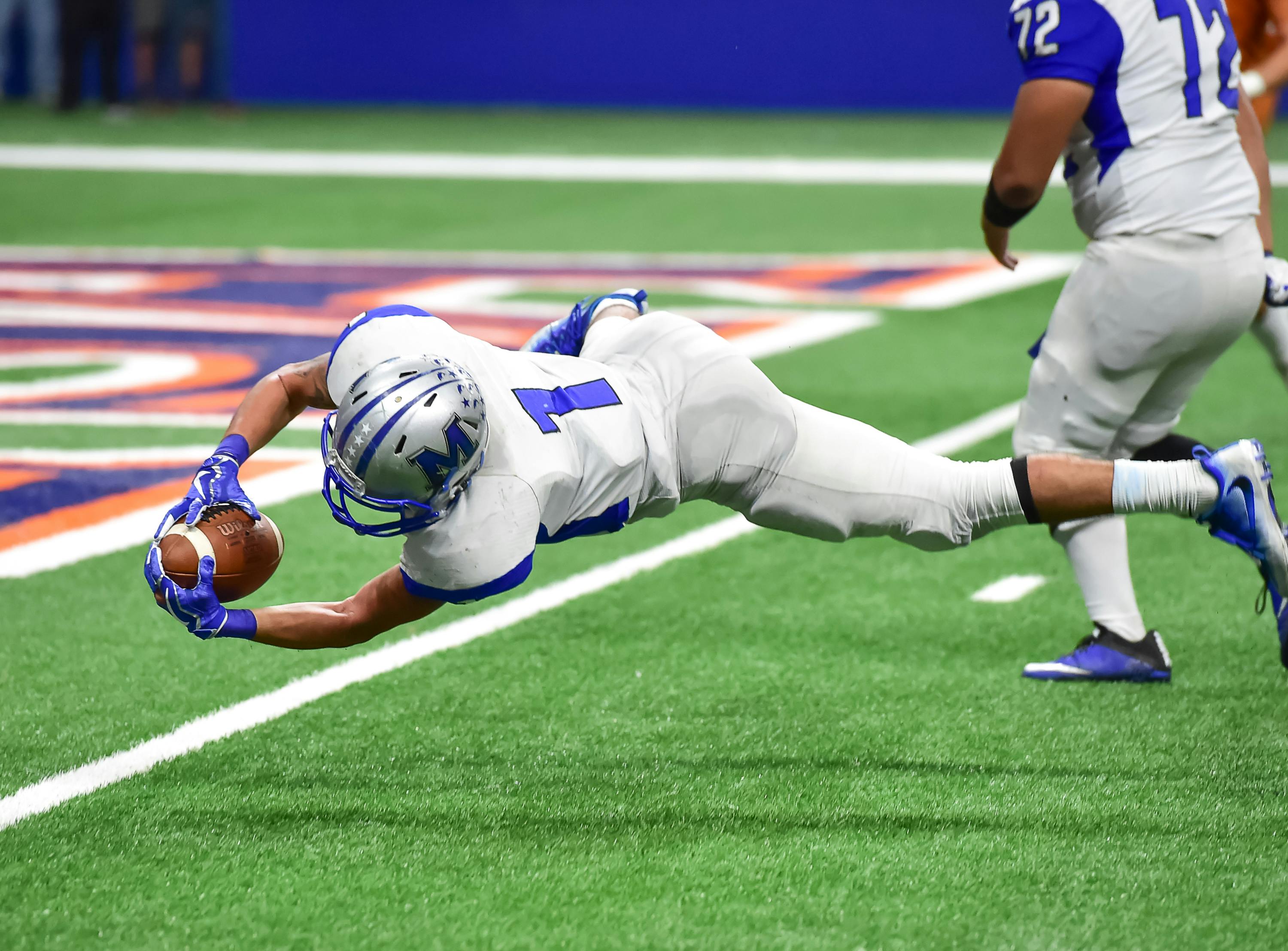
Super Bowl LX creates the deepest and most efficient football market of the year. That depth does not remove opportunity. It changes where it appears. The best signals emerge when the number changes, how it changes, and which prices resist movement.
Line movement reflects how information enters the market and how prices adjust in response to changing demand. The key is understanding which moves matter and which ones simply reflect short-term reactions. Some shifts signal a strong consensus. Others fade once the market absorbs new data.
Opening Number Signals
The opening spread and total establish the market baseline. From there, the first moves show how that opener fits public expectation and early opinion. What matters most is not the movement itself. It is where the movement lands.
Key numbers remain central to reading these shifts. A move that crosses a key number usually carries more meaning than a small adjustment that stays within the same band. That is why the first hour is useful. It often reveals whether the market accepts the opener or pushes it toward a new range.
Limits also shape the story. When limits increase, the market tests the number more aggressively. If the line settles quickly and holds after that point, the opener often sits close to the market’s comfort zone.
To add clarity, compare multiple sportsbooks. When several books move together, the adjustment typically reflects shared information. When they diverge, short-term price differences can appear and then close as the week progresses.
Moneyline Momentum
Moneyline movement often shows earlier than spread movement. Books can adjust price without changing the headline spread, so the moneyline becomes a clean way to track shifting sentiment as the week develops.
The clearest signal comes from gradual change. A steady shift over time usually indicates consistent interest on one side, whereas a sudden spike that quickly reverses often reflects only a brief burst of activity rather than a lasting trend. Watching how long a new price holds usually matters more than how far it moves.
This becomes even more useful midweek. Early prices reflect initial positioning. Later prices reflect broader participation once the matchup dominates the news cycle. Tracking both phases helps identify when the market reaches a more stable range.
For bettors looking to bet on who will win the Super Bowl, the moneyline offers timing flexibility. Instead of grabbing the first number available, monitor competing books for the best widely available price. A clear target and consistent comparison usually outperform impulse.
Injury and Practice Notes
Injury news moves faster than any other input, but not all updates carry equal weight. Focus on participation level, role clarity, and replacement quality. A limited practice for a star matters less if the team confirms a normal snap plan. A full practice matters less if the player carries a snap cap in recent games.
Keep a close eye on the offensive line and secondary. These units influence both sides of the ball and the total, as they impact pass protection, explosive plays, and third-down efficiency. When news hits, books may first move the total, then adjust the spread as the matchup implication becomes clearer.
Do not overreact to a single report. Wait for confirmation from multiple credible sources and from the team itself. Also, watch the timing. News that breaks when limits are low can create exaggerated movement that later corrects. News that breaks after limits rise tends to produce cleaner, more durable moves.
Limits and Market Timing
As Super Bowl week progresses, betting limits rise across major sportsbooks. These increases change the quality of line movement because they bring more volume into the same numbers. That makes certain windows especially important for tracking direction.
Early week movement tends to set the initial tone. Midweek movement often reflects a wider mix of bettors as attention intensifies. Late week movement benefits from clarity, especially once final participation expectations become clearer. Each phase answers a different question, so it helps to track them separately rather than blending them.
Books can respond through the spread, the total, or price adjustments. When the spread holds but the moneyline shifts, the market often signals preference without changing the headline. When the total moves first, it can hint at a broader expectation around game tempo and scoring.
Comparing national and regional books also helps. Temporary differences can appear simply because books do not update at the same moment. Those gaps often close quickly, but they can still help identify the best timing.
Prop and Derivative Clues
Derivative markets add context because they reveal how pricing connects across the board, and this is where Detailed NFL Game Prop Analysis becomes especially useful for understanding how sportsbooks expect the game to unfold.
Use derivative alignment checks. Compare the full game total to the first half and first quarter totals. If the early segments rise more than the full game total, the market often expects fast starts and later regression. If the first half total lags while the full game holds, the market may expect cautious openings with second-half scoring.
Player props add another layer. If passing yard props rise while the total stays flat, the market may shift volume toward one team’s air attack and away from the other side’s scoring inputs. Watch for books to move prop prices instead of the line. That approach often shows they see one-sided demand but want to avoid moving the headline markets.
Reading the Final Week Right
The best line movement reads come from context, not a single tick. Track the opener, key number battles, and moments when the market snaps back. Use moneyline behavior to gauge pressure, and treat injury updates as a process requiring confirmation.
As Super Bowl LX approaches, the market will tighten and narrative volume will spike. Focus on repeatable signals; limit increases, coordinated movement across books, and derivative alignment that reinforces the headline number. When these align, movement tends to hold; when they conflict, patience usually pays. The final days often bring the clearest prices as information stabilizes and books balance exposure, exactly when a disciplined reader of movement trends can make the most confident decisions.