Prediction Markets vs Sports Betting – What’s the Difference?
Wed, Mar 11, 2026
by
CapperTek
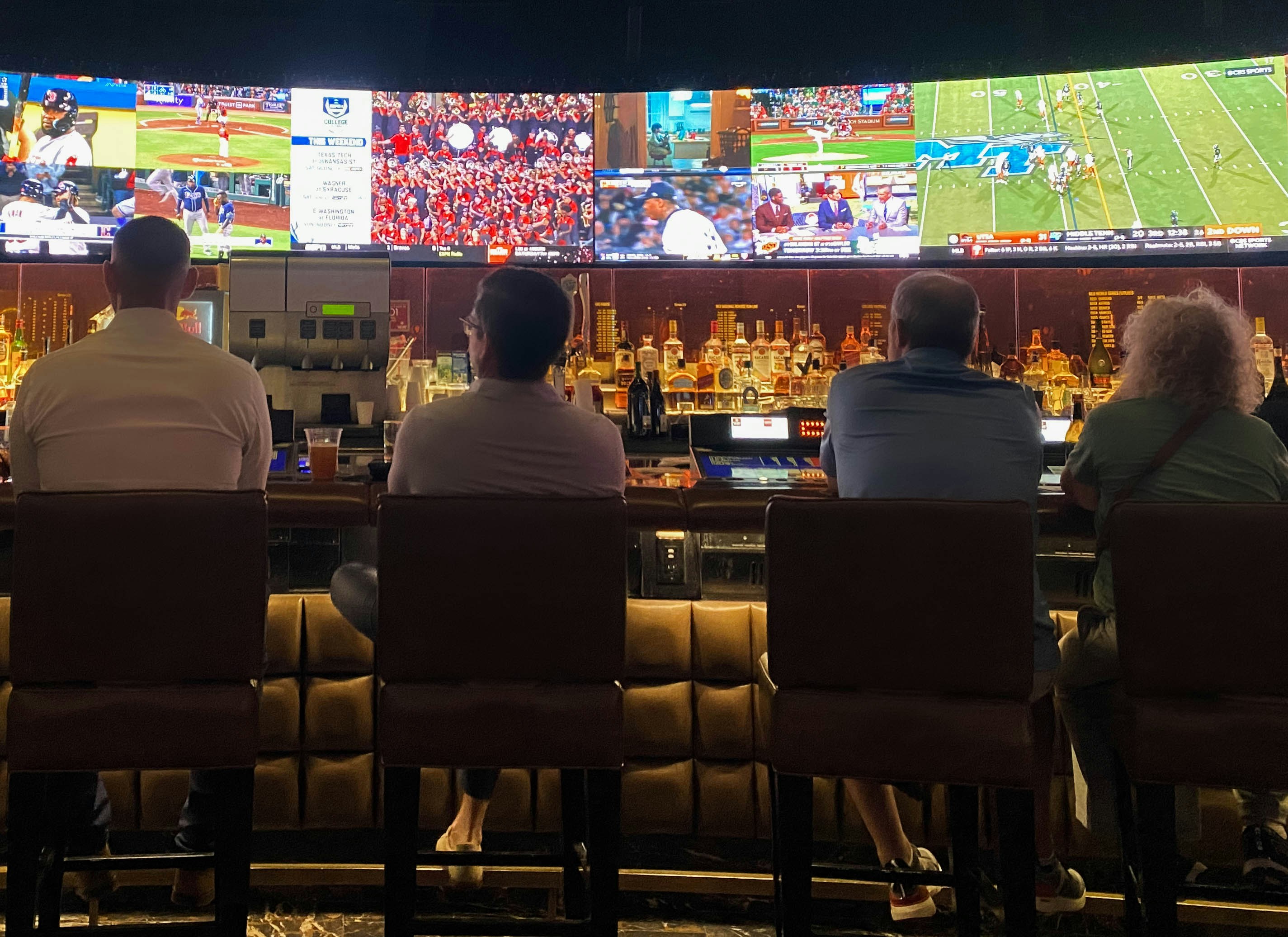
Sports fans have always tried to predict outcomes. Traditional sportsbooks turned those predictions into wagers against the house. Prediction markets take a different route. Outcomes become tradeable contracts priced by participants. That change raises a simple question for bettors: Is this just another betting format or a completely different system?
Predicting sports results sits at the heart of betting culture. You check the odds, study a matchup, then decide where to place your money. For years, that process meant placing a wager with a sportsbook. The bookmaker set the odds and the bettor picked a side.
Prediction markets introduce a different structure. Instead of betting against the house, participants trade contracts tied to real-world outcomes. Prices move based on what the market believes will happen, creating a system that behaves more like financial trading than traditional sports betting.
The Scale Of The Modern Sports Betting Industry
Sports betting in the United States has grown into a major regulated industry since the Supreme Court overturned PASPA in 2018. States moved quickly to approve sportsbooks and mobile betting apps.
By fiscal year 2025, Americans placed more than $157 billion in legal sports wagers. State governments collected $3.2 billion in tax revenue from sportsbook operators. Legal betting now operates in 38 states plus Washington DC.
The sportsbook model is simple. The bookmaker posts odds. Bettors pick a side. The house adjusts prices as money moves through the market.
Prediction Markets Treat Outcomes Like Tradeable Assets
Prediction markets approach the same idea from a different angle. Instead of wagering against a bookmaker, traders buy and sell contracts tied to real-world events.
Each contract represents a specific outcome. The price sits between $0 and $1, which reflects the market’s probability for that event. A contract trading at $0.70 implies a 70 percent chance that the event will occur. If the prediction turns out correct, the contract settles at $1. If the event fails to happen, the contract settles at $0.
That structure turns predictions into something that behaves like a financial market. Traders can buy contracts early, sell them later, or hold positions until settlement.
Activity in this space has grown quickly during the past two years. Industry reports and trading-volume disclosures from major prediction platforms indicate tens of billions of dollars flowing through event-contract markets tracking sports, elections, and economic indicators.
Sports outcomes account for a large share of that activity. Fans who already understand betting markets find the trading format surprisingly familiar.
Regulation Is Where The Real Difference Appears
The biggest difference between prediction markets and traditional sports betting is regulation. Sportsbooks in the United States operate under state gambling laws. Each state regulator issues licenses, enforces age restrictions, oversees tax reporting, and monitors compliance with consumer protection rules.
Prediction markets often fall under a different framework. Many platforms that offer event-based contracts operate under federal oversight tied to commodity or derivatives regulation rather than state gambling law. In some cases, they register with or seek approval from federal regulators that supervise financial trading markets instead of gaming commissions.
That distinction matters. A sportsbook is regulated as a gambling operator. A prediction market may be regulated as a financial exchange offering event contracts. The rules governing margin, disclosures, risk controls, and participant eligibility can therefore differ significantly.
The Rise Of Fan-Style Prediction Platforms In Sports
Sports companies have noticed the growing interest in prediction markets. Several operators now experiment with products that sit between financial-style trading and traditional sportsbooks.
The structure alters how a prediction is made. Instead of placing a fixed wager with a bookmaker, participants trade contracts tied to real sports outcomes. Prices move as users buy or sell positions depending on what they believe will happen in a game.
That trading dynamic turns sports forecasting into something closer to a market. A contract price reflects the crowd’s belief about a team’s chances. When new information appears, the price moves.
Some major sports operators have explored hybrid formats that combine elements of prediction-style markets with traditional fan engagement tools. FanDuel, for example, has introduced prediction-based contests through its platform, allowing users to answer sports-related questions and earn rewards in a structured format. Information about access and an available FanDuel Predicts promo code is typically provided through industry comparison sites that track sportsbook and prediction-style offers.
The goal is not to replace sportsbooks. It simply offers another way for fans to test their predictions around live sports.
You still study the matchup. You still form an opinion. The difference lies in the structure used to express that opinion.
Prediction Markets Are Attracting Serious Financial Interest
Prediction markets are no longer small experiments run by hobby traders. Large investors have started paying attention as trading activity increases.
Capital flowing into the sector has pushed the valuation of leading prediction-market businesses close to $20 billion as trading volume grows and new users enter the market.
That level of investment shows that event-contract trading is being taken seriously as a financial product. Participants are not only forecasting sports results. Markets now track elections, economic indicators and major global events.
Liquidity also plays a larger role in prediction markets. The ability to enter or exit a position depends on other participants being willing to trade at a given price. In a sportsbook, the house guarantees action at posted odds. In a prediction market, pricing depends on order flow and available counterparties, which can influence volatility and execution.
Where The Two Models Actually Overlap
Despite their differences, prediction markets and sportsbooks still revolve around the same basic instinct. People enjoy forecasting outcomes. Sports provide endless opportunities to test those instincts.
A sportsbook structures that process through odds and wagers placed against the house. A prediction market organizes the same idea through tradeable contracts priced by participants.
Sports fans who follow betting lines often recognize the logic quickly. A contract priced at $0.60 feels similar to a team listed at -150 odds. Both signals point to the same underlying idea. The market believes one outcome is more likely.
The mechanics differ. The thinking behind the prediction often looks very similar.
There is also a structural difference in how profits are generated. A sportsbook builds margin directly into its odds, which creates a mathematical house edge over time. Even balanced action produces revenue through that built-in pricing spread.
Prediction markets function differently. Prices move based on participant demand. The platform typically earns revenue through transaction fees rather than through embedded odds margins. Traders may profit or lose based on how the market price shifts before settlement, not simply whether they picked the winning side.
The Future Of Predictive Wagering
Prediction markets and sports betting share the same foundation: forecasting outcomes. The difference lies in structure, regulation, and pricing mechanics.
Sports betting is a state-regulated gambling activity built around bookmaker odds and house margin. Prediction markets operate more like financial exchanges, where contracts fluctuate in price based on participant demand and may fall under a separate regulatory framework.
For sports fans, the choice often comes down to preference. Some prefer fixed odds and straightforward wagers. Others are drawn to the trading dynamic and price movement of event contracts.
Understanding that distinction helps clarify an important point. Prediction markets are not simply another type of sportsbook. They represent a parallel system built on financial-market logic rather than traditional bookmaking.