The Global Rise of Digital Experiences in Travel
Mon, Mar 23, 2026
by
CapperTek
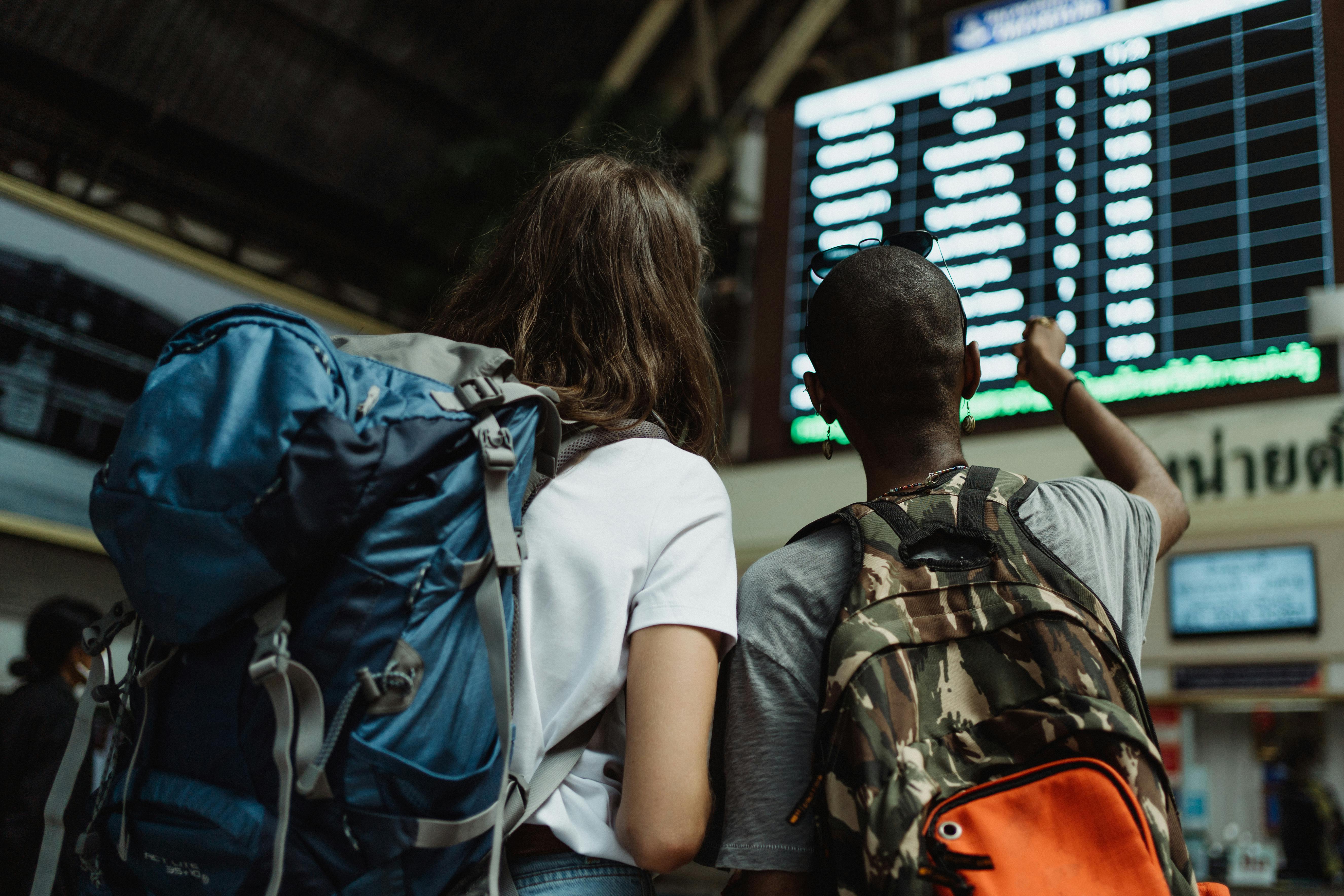
For a long time, travellers have been drawn to famous landmarks, museums, and historic streets that often shape impressions of a country or city. Even now, physical destinations remain at the heart of travel.
Today, travel takes place in a connected world where digital tools shape many parts of the journey. Tourists rely on online platforms before, during, and after trips, which means travel experiences now extend beyond physical visits.
Modern travellers use digital services to discover new destinations and preview attractions. Technology allows people to stay connected to culture and leisure from almost anywhere.
Filling in Travel Gaps
Long days on the road often include periods of waiting. Whether at an airport, on a train, or during a quiet evening in a hotel, travellers frequently have time to have some “screen time” on their devices, like mobile games, streaming services, and other online platforms.
Some travellers even try their luck with casino-style games like slots, blackjack, or roulette with deposit limits and self-exclusion options. Canada's digital casinos, for example, are designed for use on phones, tablets, and computers, and are totally legal to play online in Canada.
Virtual Tours Before the Trip Begins
Many journeys now begin online. When planning holidays, travellers often explore destinations through digital previews before deciding where to go.
Museums and historic sites increasingly offer virtual access to their collections. The Louvre Museum in France allows online visitors to explore parts of its galleries and view famous artworks through interactive digital tours. In Italy, virtual tours of the Colosseum allow viewers to explore the ancient arena while learning about its historical significance.
Tourism groups in Japan have also created interactive guides for areas of Kyoto. Visitors can navigate temple grounds, historic streets, and cultural districts using digital maps and guided video content. These tools allow travellers to preview locations and decide which places they want to include in their itinerary.
Seeing attractions in advance helps travellers prioritise destinations and estimate how much time they may want to spend at each location.
Travel Apps That Guide Every Step
Arriving in a new city can feel confusing without clear directions. Smartphones and travel apps have reduced this uncertainty for many travellers.
Public transport apps in Singapore help visitors navigate the city using clear route maps and train schedules. Translation tools in South Korea help travellers read restaurant menus and communicate with local businesses more easily. Map applications also highlight nearby attractions, restaurants, and transport stations.
Museums have also embraced this digital shift. Several museums in Spain offer mobile audio guides that visitors can access directly on their phones as they walk through exhibitions. These guides explain artworks and historical objects in simple and accessible language.
With real-time information available through travel apps, travellers can adjust their plans as they explore a city. A quick phone search can reveal nearby markets, cafés, or cultural events.
Online Cultural Experiences After the Trip
Travel experiences do not always end when the journey finishes. Many travellers remain curious about the cultures they discovered during their trip. Digital platforms enable continued learning from home.
Online cooking classes from Thailand allow travellers to recreate dishes they tasted during their visit. Local chefs guide participants through recipes in video sessions, explaining ingredients and step-by-step preparation techniques.
Mexican artists also host digital craft workshops that introduce traditional art forms. Participants learn how handmade items are produced and hear stories about regional culture and craftsmanship. These sessions can provide deeper insight into the traditions travellers encountered during their journey.
India offers another example through online cultural programs focused on music, dance, and festival traditions. Travellers who attended cultural events during their visit can continue learning through digital classes and recorded sessions.
Digital Payments That Support Global Travel
Managing money while travelling has changed considerably over the past decade. Many travellers now prefer digital payment methods instead of carrying large amounts of cash.
Sweden is widely known as one of the most cash-free travel destinations. Many cafés, shops, and public transport systems accept digital payments through cards or mobile applications. Travellers often find that paying by phone or card covers most daily purchases.
Digital wallets are also widely used in the United Arab Emirates. Visitors can pay for taxis, restaurants, and tourist attractions using secure mobile payment apps. Hotels and tourism activities frequently support these payment methods as well.
Many online platforms rely on secure payment technologies. Encryption protects card information while digital verification systems help reduce fraud risks. These tools allow travellers to make transactions quickly while maintaining clear records of their spending.
Flexible payment systems also make trip planning easier. Travellers can often book hotels, attraction tickets, and transportation online before they arrive, organising many parts of their journey from a single device.
Wrap Up
Travel today involves more than visiting landmarks or exploring city streets. Digital tools allow travellers to research destinations, access entertainment, and stay connected to culture throughout their journeys. As technology continues to evolve, travel experiences increasingly combine physical exploration with digital access that extends well beyond the trip itself.